
Can Exercise Offset the Risks of Alcohol? Here's What the Science Says
So, can exercise offset the risks of alcohol? It's a question a lot of us have quietly asked ourselves after a hard workout followed by a cold beer. Maybe you even justified it a little. But does hitting the gym actually help cancel out the damage alcohol does to your body? The answer, according to a growing body of research, is a fascinating YES, with some important caveats. I lost my dad way too early to liver failure when I was just 15 years old, so when research comes out about what we can actually do to protect our livers, I pay attention.
Let's break down what science is telling us about whether exercise can offset the risks of alcohol, and leave you with three golden rules to live by.
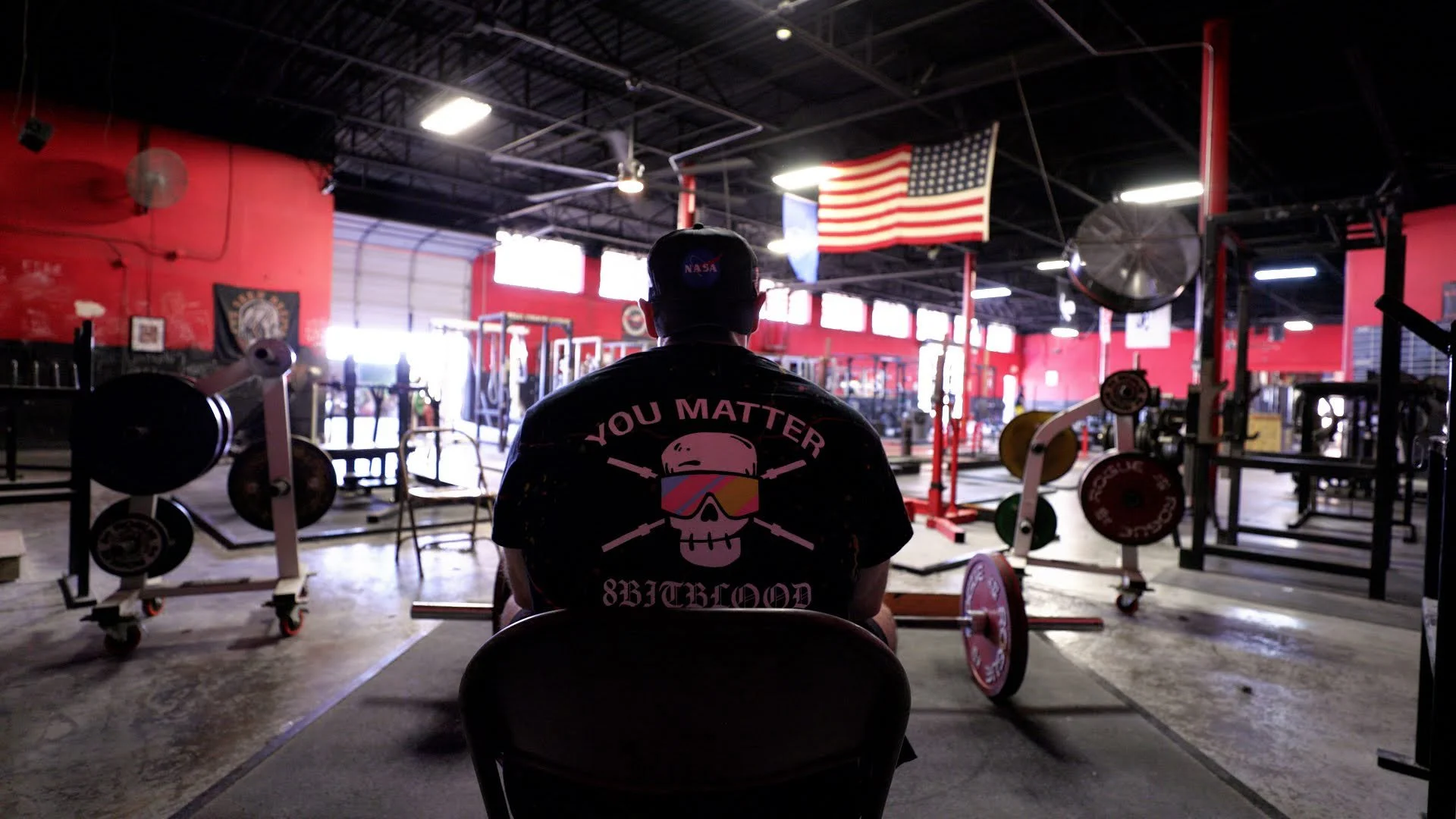
Mike deadlifting at Metroflex The Castle Fort Worth
What Does the Research Say About Exercise Offsetting Alcohol Risks?
Researchers at Mass General Brigham took a deep look at 2,000 patients with alcohol use disorder over a span of roughly 10 years. What they found was encouraging: patients who got at least 2.5 hours of moderate-to-high intensity exercise per week had a meaningfully lower risk of developing alcoholic liver disease (ALD) compared to those who didn't exercise at all. Even more promising, each additional hour of exercise per week added to that protective effect, meaning more movement generally meant better outcomes.
Here's the kicker though: even those who performed less than 2.5 hours of exercise per week saw a protective effect, suggesting that when it comes to offsetting the risks of alcohol, even some exercise is better than none. You don't have to be a marathon runner to get a benefit.
A larger study published in the Journal of Hepatology backed this up in a big way. Analyzing data from over 60,000 U.S. adults, researchers found that increased levels of physical activity significantly lower the risk of alcohol-attributable liver-related mortality and this held true across all drinking patterns, even among heavy and binge drinkers. We're talking about a 36% and 69% liver mortality risk reduction from physical activity among heavy and binge drinkers, respectively. That's not a rounding error. That's significant.
Interestingly, the research also found that while women face a significantly higher risk of alcohol-related liver death than men, they also gain greater liver protection from physical activity and a healthy diet, even if they drink.
So yes, exercise can help offset the risks of alcohol. But before you use that as a hall pass at happy hour, let's talk about the other side of the coin.

Mike hitting legs at Metroflex The Castle
How Alcohol Works Against Your Fitness Goals
While exercise can provide meaningful protection against alcohol's long-term damage, alcohol is simultaneously working against everything you're building in the gym. This is an important part of the equation, exercise and alcohol have an opposing relationship that you need to understand.
Alcohol is a sedative that slows down functioning, weakening hand-eye coordination, impairing judgment, and slowing reaction time. That's bad enough for performance, but the damage runs even deeper when it comes to recovery.
Every workout creates small tears in your muscles, that's how you get stronger. But your body needs the right conditions to repair those tears. Drinking alcohol after a workout prevents efficient muscle healing by decreasing secretion of human growth hormone. Translation: you'll be sore longer and your gains take a hit.
Protein synthesis: your body's muscle-building process, takes a serious blow too. Studies show that drinking after an intense workout caused muscle recovery to drop by 37%. And if weight loss is your goal, mixing sugary drinks with alcohol after a workout can stop the fat burning process entirely, undoing the work you just put in.
Dehydration compounds the whole problem. Working out depletes your body through sweat, and alcohol accelerates that dehydration further, leading to worse hangovers, deeper fatigue, and a much lower chance you're making it back to the gym the next day.
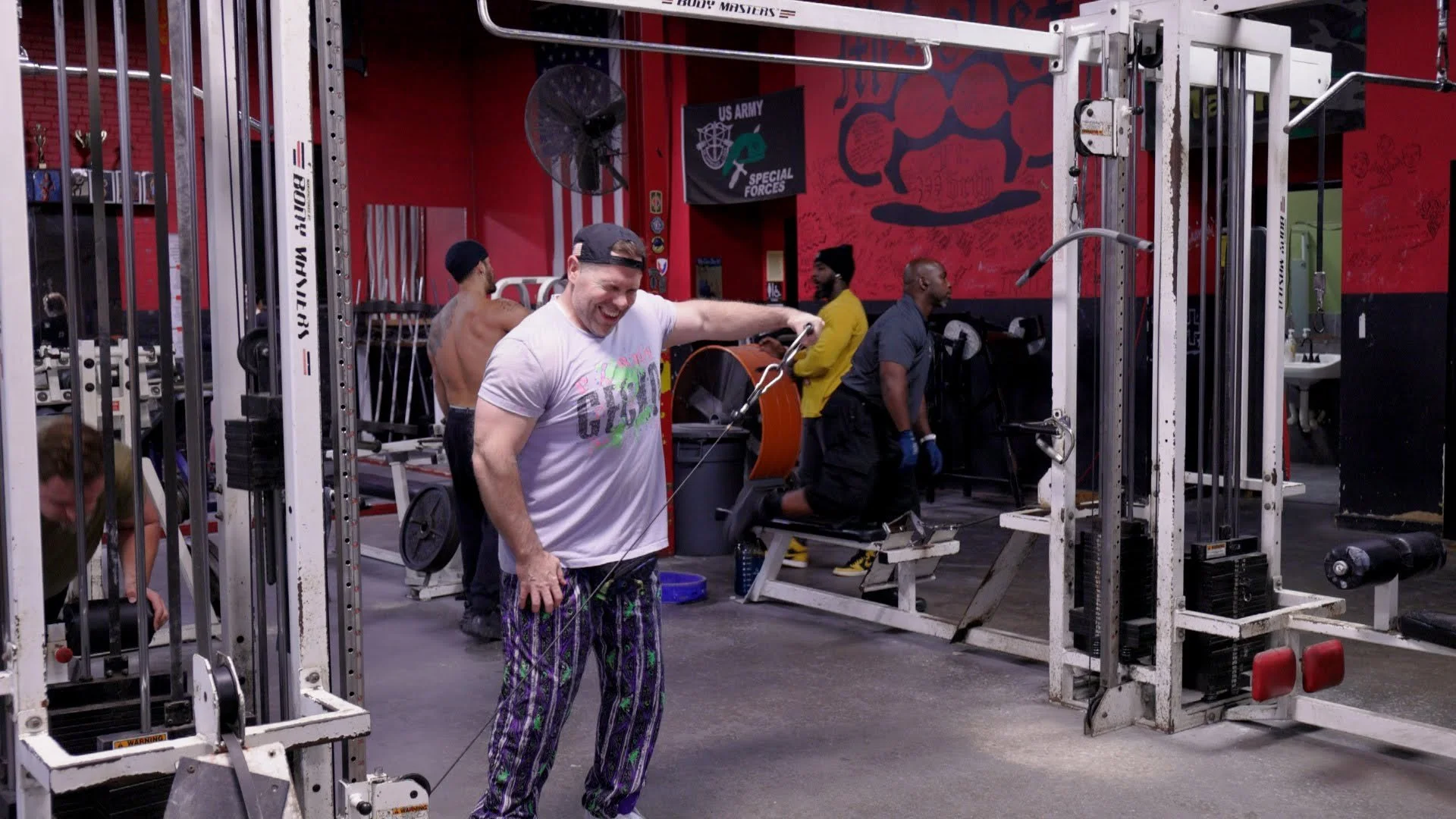
Mike hitting shoulders at Metroflex The Castle
Exercise Can Also Help You Drink Less: Here's Why That Matters
Here's something that often gets overlooked in this conversation: exercise doesn't just help your body handle alcohol better, it can actually reduce how much you want to drink in the first place.
Studies show the more you exercise and are physically active, the less you tend to drink. The reason comes down to dopamine. The natural dopamine release from a solid workout gives your brain the feel-good chemical it craves, making you less likely to reach for a drink to cope with stress or negative emotions.
The habit loop matters here too. Making the consistent choice to work out reinforces good decision-making across the board, and that momentum carries into how you treat your body in other ways.
3 Golden Rules: Exercise and Alcohol Risks
After digging through all of this research, three clear rules emerge for anyone trying to understand how exercise can offset the risks of alcohol.
Rule 1: Some exercise is always better than none. You don't need to be training for a triathlon to see liver-protective benefits. The research is clear that even modest amounts of physical activity, below the recommended 2.5 hours per week can help offset the risks of alcohol on your liver. If you drink, moving your body consistently is one of the single best things you can do to reduce long-term damage. Start small and build the habit.
Rule 2: Never drink right after you work out. This is the one most people get wrong. Right after a workout, your muscles are primed to recover and your body is in full repair mode. Alcohol at that moment actively sabotages your protein synthesis, depletes your glycogen, deepens dehydration, and suppresses the growth hormone your body needs to heal. Give yourself a window, rehydrate, eat a real meal, and let recovery begin before you pour that drink.
Rule 3: Exercise reduces alcohol risks, it doesn't eliminate them. This is the most important one. The researchers at Mass General were clear: exercise is a tool for harm reduction, not a free pass to drink without limits. The Journal of Hepatology study confirmed that any amount of daily alcohol intake or binge drinking is still associated with increased liver mortality risk, exercise lowers that risk considerably, but the risk never hits zero. Think of it like wearing a seatbelt: it dramatically improves your odds, but it's not an invitation to drive recklessly.
Frequently Asked Questions
Can exercise completely cancel out the effects of alcohol? No. Exercise can significantly lower the health risks associated with drinking, including reducing liver mortality risk by up to 69% among heavy drinkers. But it cannot fully eliminate the damage alcohol causes. It's a powerful harm-reduction tool, not a cure.
How much exercise do you need to offset alcohol risks? Research from Mass General Brigham found that 2.5 hours of moderate-to-high intensity exercise per week provided meaningful liver protection for people with alcohol use disorder. Even exercising less than that showed some benefit. The key is consistency.
Is it bad to drink alcohol after working out? Yes. Drinking alcohol after a workout suppresses human growth hormone, reduces muscle protein synthesis by up to 37%, deepens dehydration, and depletes glycogen. All of which significantly slow recovery and reduce the benefits of your workout.
Does exercise reduce the urge to drink alcohol? Studies suggest yes. Regular physical activity naturally boosts dopamine levels, which can reduce the psychological pull toward alcohol as a stress-relief mechanism.
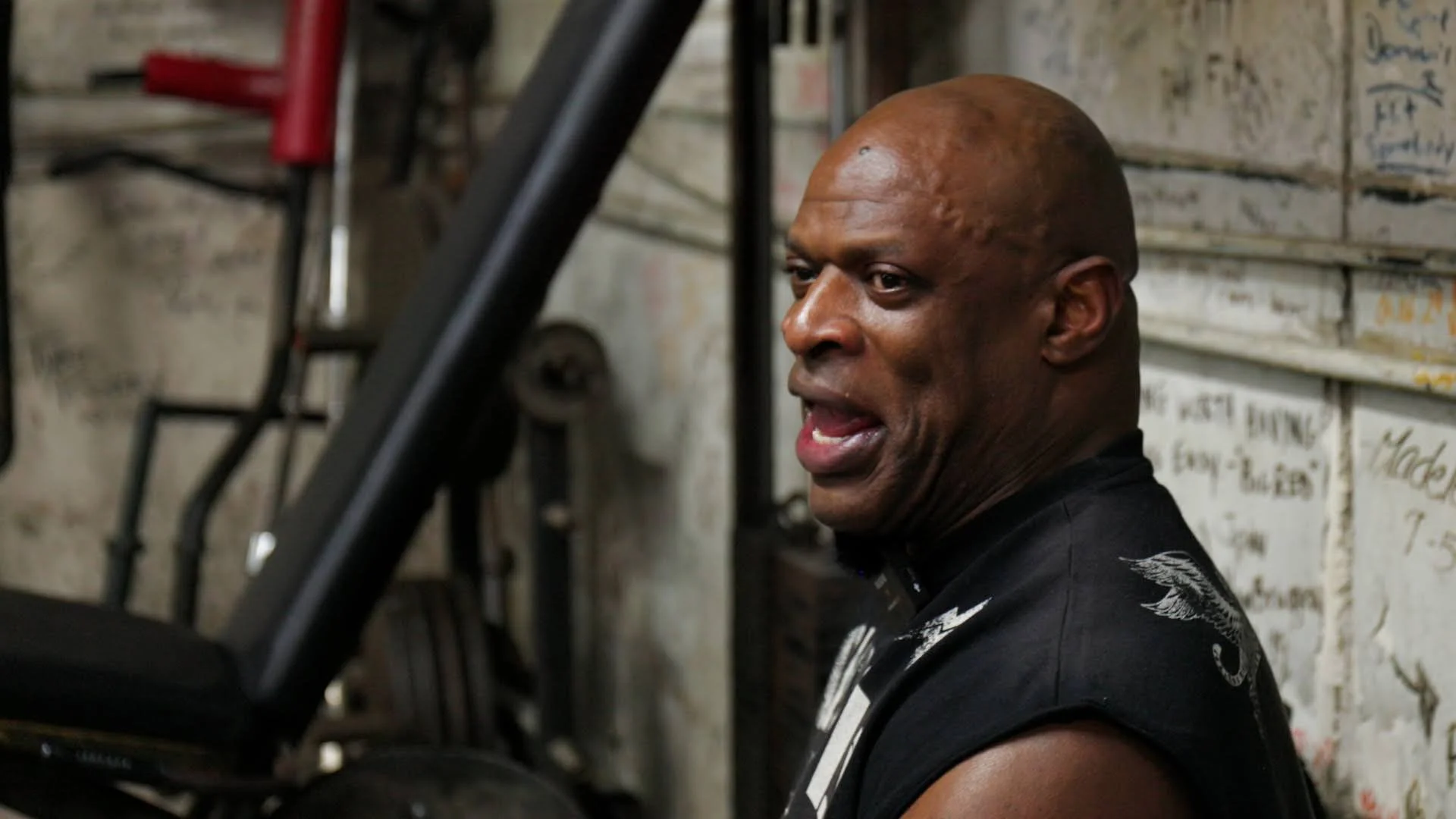
Ronnie Coleman giving us a YEAH BUDDY!!!! At the Original Metroflex in Arlington
The Bottom Line: Can Exercise Offset the Risks of Alcohol?
The short answer is yes, but only to a degree. Science tells us that regular physical activity can be a meaningful form of protection for your liver, even for people who drink heavily. But alcohol is still actively fighting against your fitness progress and long-term health. The real sweet spot is building a consistent workout habit, not using it as an excuse to drink more, and being smart about timing so your hard work in the gym isn't being undone at the bar.
Your liver is one of those organs that, once seriously damaged, is incredibly difficult to come back from. The good news? You have more control over protecting it than you might think. It starts with showing up to the gym.
I know firsthand what it feels like to lose someone too soon. Take control of your health, lace up your shoes, and show up for the people in your life who can't afford to lose you.
Sources: Mass General Brigham Research Blog | EASL / Journal of Hepatology | AlcoholHelp.com