
the best active recovery shoe: does kane active footwear measure up?
A Kane Active Footwear Review from Someone Who Trains Like an Athlete. Even If They're Not One. Let me be straight with you right out of the gate: I am not a professional athlete. But I do train like one.
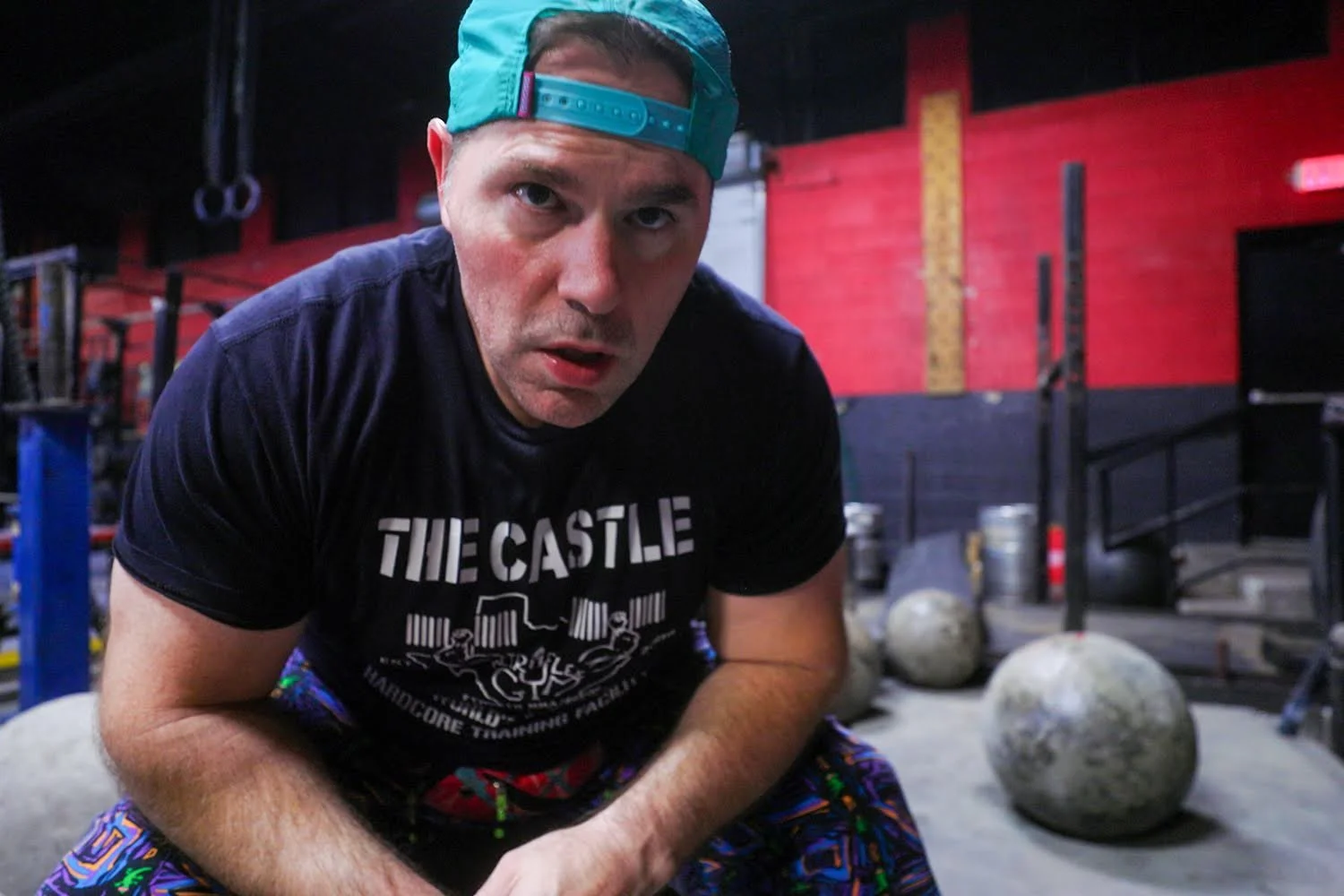
My workouts are a hybrid of strongman and bodybuilding which means on any given week, I might have a yoke carry, atlas stone loads, heavy sandbags, a brutal leg day, and a back session that would make most people tap out before the warm-up ends. When you add it all up, I can have upward of 10,000 lbs of load on my feet on a single training day. I've been doing this for years. And for most of those years, I never thought twice about what happened to my feet after I racked the bar and walked out of the gym.
Then I turned 46. And my feet started talking back.
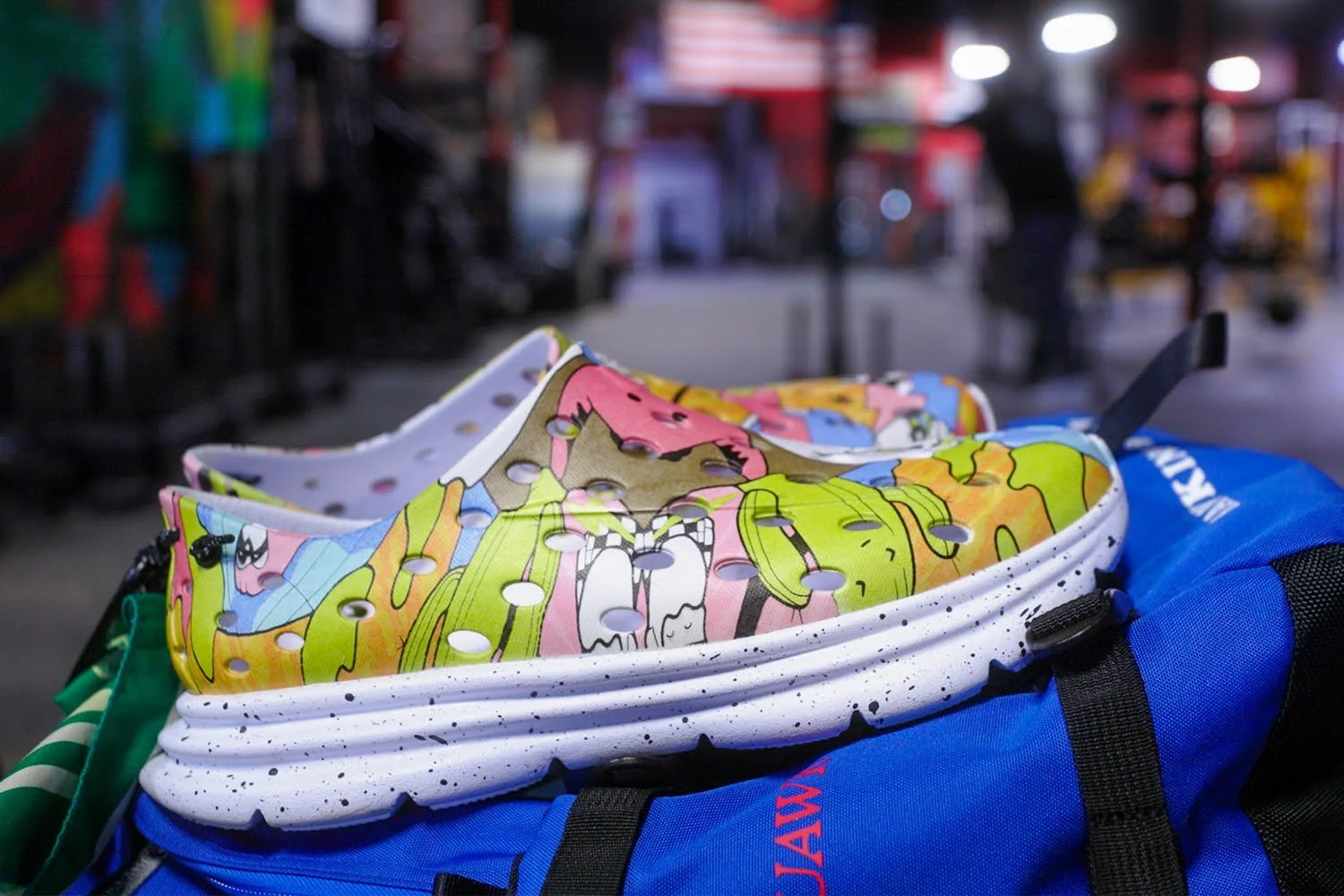
KANE x Timmy Ham
The Part Nobody Talks About: Foot Health and Active Recovery
Here's the thing about gym culture right now, it's exploding. More people are training harder, training longer, and training deeper into life than any generation before them. The aging athlete is no longer a niche. It's the norm. Guys and women in their 40s, 50s, and beyond are lifting, running, competing, and refusing to slow down.
That's incredible. But it also means we're putting more cumulative stress on our bodies, especially our feet, more than ever before.
Your feet are not a small deal. They are the literal foundation of every single movement you make in the gym. Every squat, every deadlift, every carry. It all starts with what's happening on the ground. According to foot health experts, conditions like plantar fasciitis and Achilles tendinitis don't just bench athletes, they can completely reshape a training program. And unlike a shoulder tweak or a strained quad, foot problems have a way of affecting everything, because you can't just avoid using your feet.
The research backs this up. Post-activity foot care is one of the most overlooked parts of athletic recovery. Serious athletes spend hours thinking about nutrition timing, sleep optimization, and muscle recovery and then slide their feet into cheap shower sandals the second their workout ends. It's the equivalent of driving a Ferrari on flat tires. What your feet need after intense training is the same thing the rest of your body needs: intentional recovery. Support. Proper structure. A chance to decompress.
For me, learning that lesson the hard way cost me eight months of pain and about $600 in insoles.
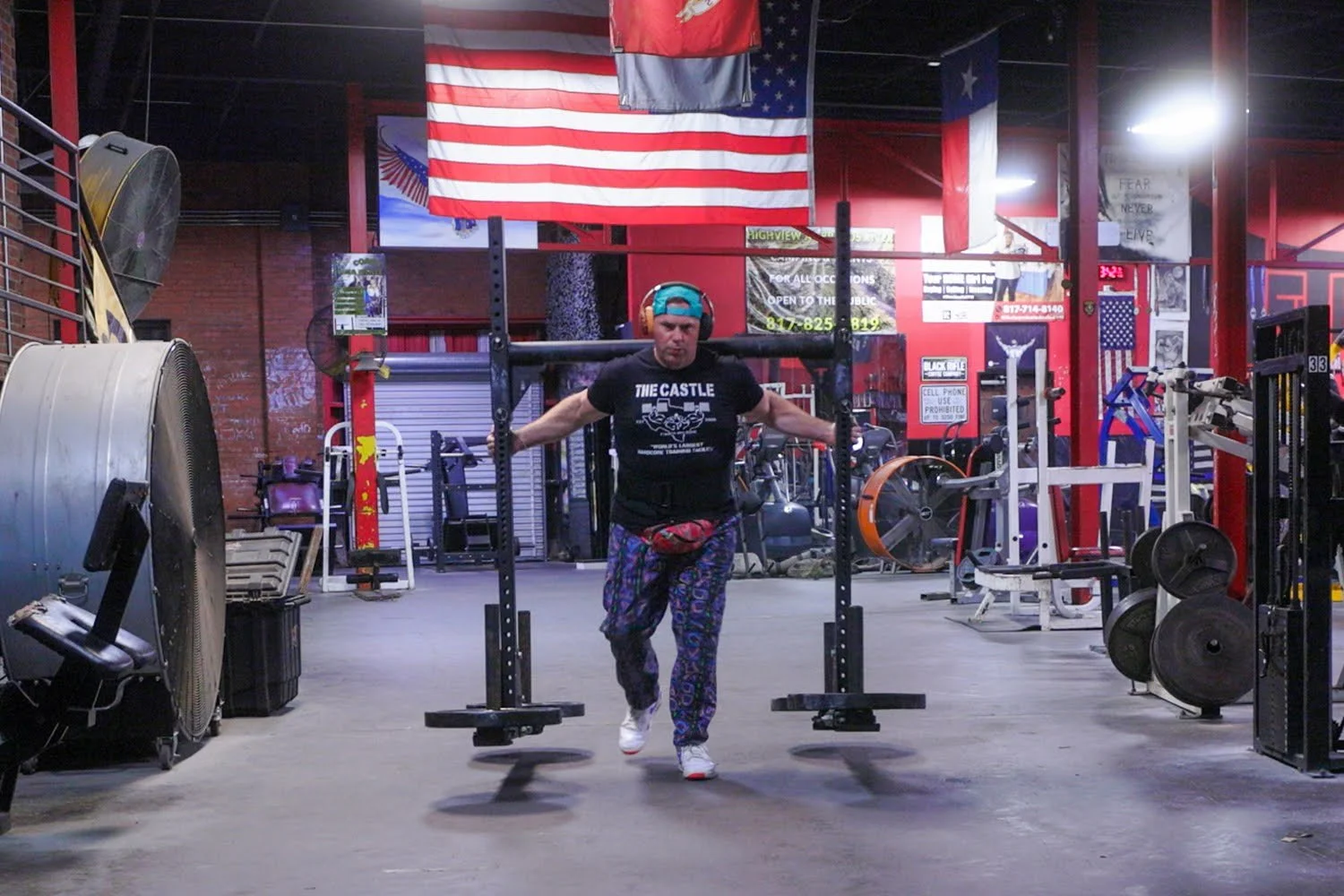
8BitBlood Training at Metroflex The Castle Fort Worth
Plantar Fasciitis at 46, A Rude Awakening
I want to be transparent here because I think a lot of people in their 40s and beyond are dealing with this quietly and don't realize how common it is.
At 46 years old, I developed plantar fasciitis for the first time in my life. If you don't know what that is, it's inflammation of the thick band of tissue that connects your heel bone to your toes. And it is no fun. The classic symptom is that first step out of bed in the morning feeling like you're stepping on a nail. For me, it showed up after a particularly heavy training block and it hasn't fully left since. Eight months. I've been dealing with this for eight months.
In that time, I have purchased approximately 30 different insoles trying to find relief. Some helped more than others. I've landed on a few that work well enough that I put a $30–$50 insole in every single pair of shoes I own now. Running shoes, training shoes, casual sneakers…all of them have aftermarket insoles. Because without them, I feel every step. And through all of it, I never stopped training. That's just not who I am.
But I was also honest with myself, I needed to be smarter about what I put on my feet, especially in that window between the end of my workout and the time I got home and off my feet.
That's where Kane Active Footwear entered the picture.
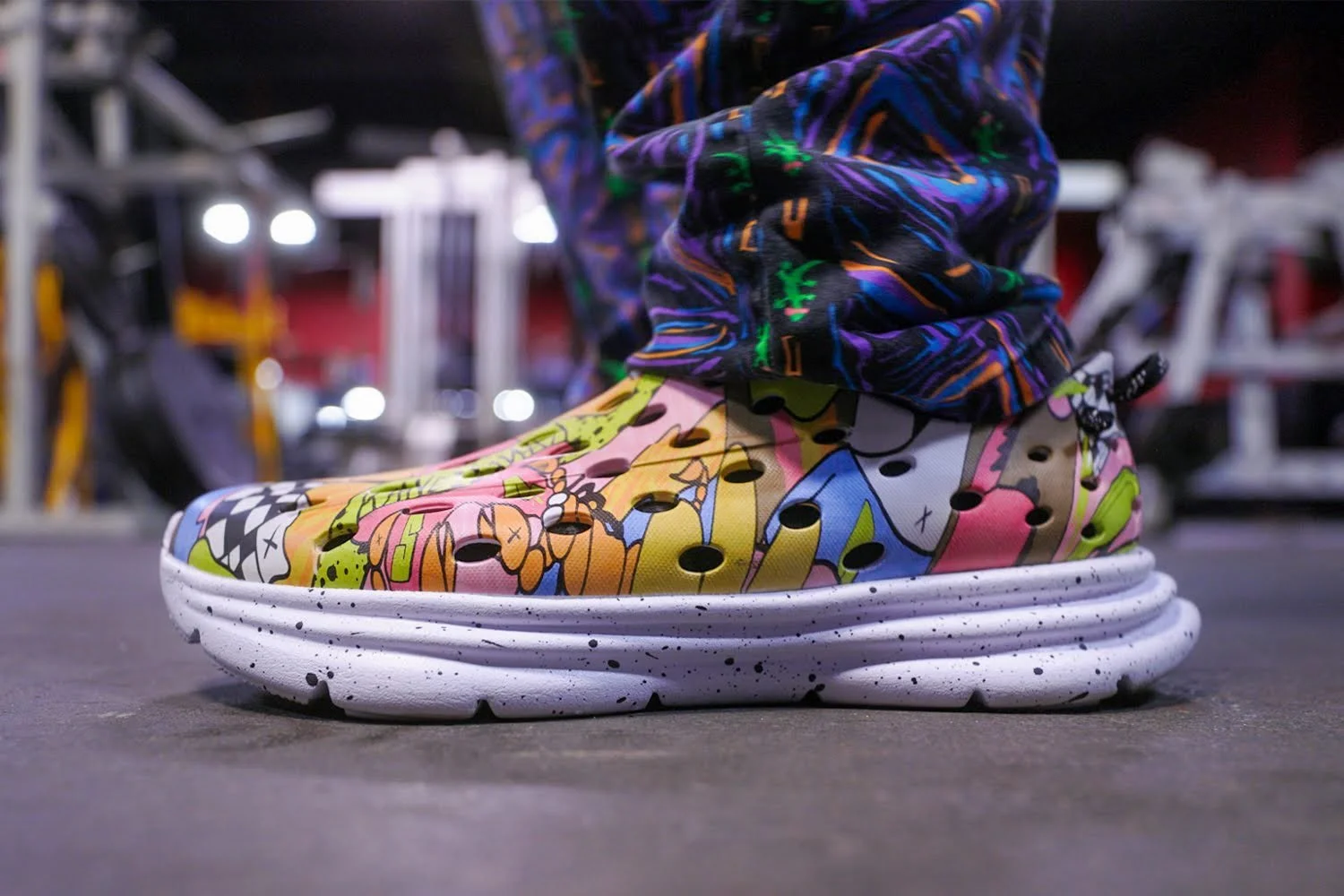
Kane Active Footwear - Timmy Ham Collab Revive
How I Found Kane (Thanks, Timmy Ham)
I follow a lot of artists. Art and creativity have always been part of my world, and I pay attention when artists I respect make moves outside their lane. One of those artists is Timmy Ham, someone whose work I genuinely admire. When I saw that Timmy had collaborated with Kane Active Footwear, my curiosity was immediate. I went to the Kane site expecting a basic athletic slide. What I found was something different.
Kane was founded by John Gagliardi, a former Division 1 and professional athlete, who looked around post-training one day and realized that every athlete was sliding into loose, overly-cushioned footwear that was potentially working against their recovery. His answer was the Kane Revive, a structured recovery shoe built around a single mission: Come Back Better.
The Revive is made with dual-density RestoreFoam™, produced from Brazilian sugarcane. It's not a flip-flop. It's not a pool slide. It's a recovery shoe designed in partnership with a sports podiatrist and foot and ankle surgeon, intentionally engineered to give your feet real support during the hours that matter most: the ones right after your workout ends.
I ordered a pair.
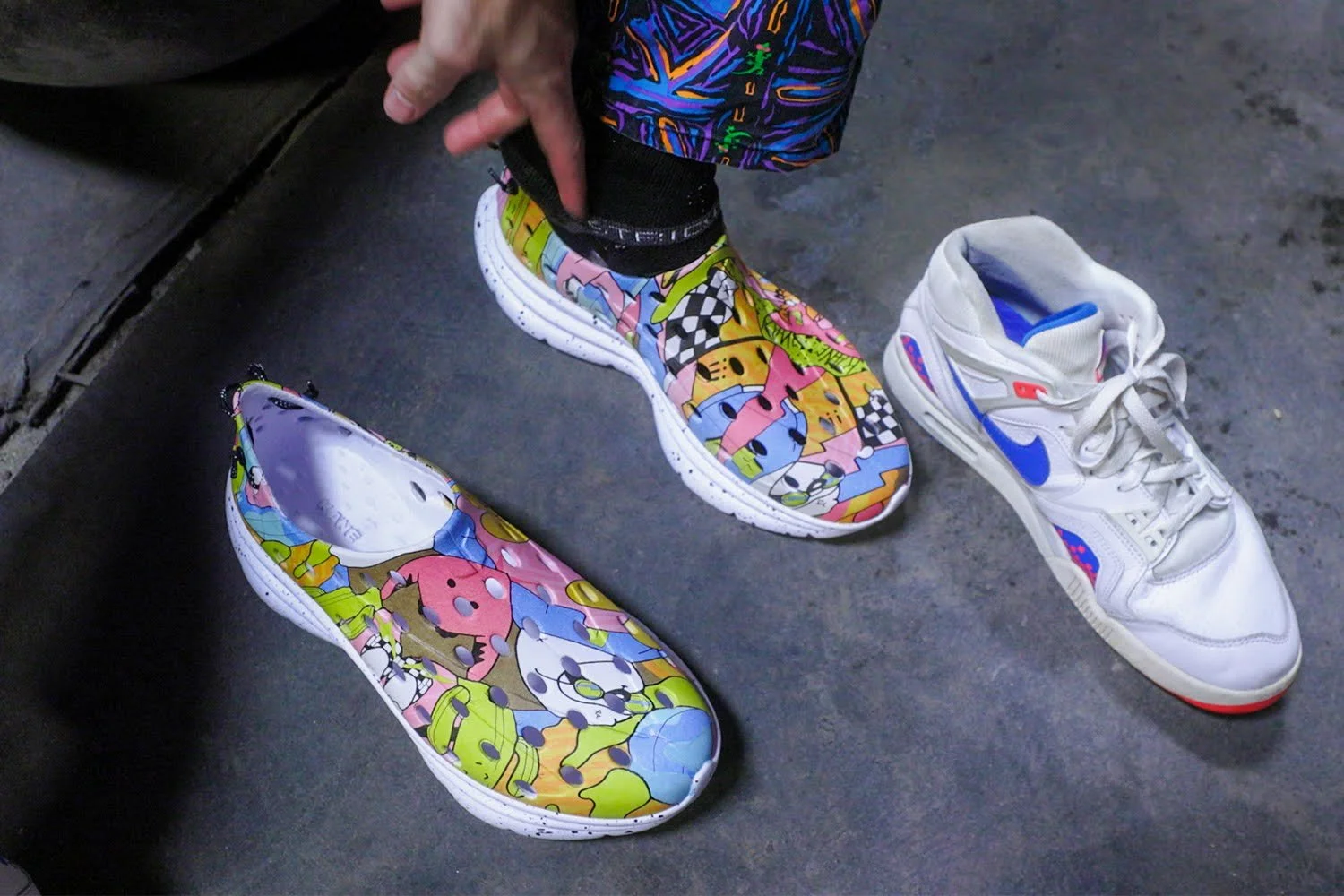
Slipping on Kane Active Footwear Revive Timmy Ham collab
One Day. That's All It Took.
I'm going to be careful here because I don't want to oversell this. I know what plantar fasciitis is. I know there's no magic cure. I know the road to fully healthy feet involves stretching, strengthening, and probably a lot more intentional care than I've been giving them. But here's what I can tell you honestly, after one day of wearing my Kane Revives around the house, my foot felt completely normal again.
One day. A full day of wearing them while I went about my life, doing errands, hanging around the house, not thinking about my foot for the first time in months. Now, was that curative? No. The plantar fasciitis is still there. It's a process.
But what that single day told me is that the design of these shoes is doing something real. There is intentional engineering happening in that sole. The support, the structure, the way weight is distributed across the foot, it's different from anything I've slid my feet into before. And for someone who has tried 30 insoles looking for exactly that feeling, I noticed it immediately. My gym routine now includes one new rule: when the workout ends, the Kanes go on.
It's not complicated. I finish my last set, I unrack, and instead of walking out in my training shoes or grabbing whatever's by the door, I slide into my Kane Revives. That's the window where intentional recovery starts. Right there.
Don’t sleep on your recovery
Why Kane Is Worth Your Attention Beyond the Shoe Itself
Here's something that matters to me that I want to mention: Kane isn't just making a good product. They're doing it the right way.
Kane is a Certified B Corporation, which means they've been independently verified to meet high standards of social and environmental performance. They're also a 1% for the Planet member, committing 1% of their gross sales directly to environmental nonprofits. Their RestoreFoam™ sole is made from regenerative sugarcane that actually draws down CO2. And their Project Renew program lets you donate your used Kanes back to the company, where they get upcycled into yoga and changing mats instead of ending up in a landfill. They even have an HSA/FSA eligible designation, meaning if you're dealing with a foot condition and you have those health savings funds sitting around, this might be worth looking into.
This is a brand that thought about more than the bottom of a shoe. And for those of us who care about what we're supporting when we spend money, that matters.
The Bigger Picture: Recovery Is Part of the Training
If you're reading this and you're in your 30s, 40s, or beyond, training hard, lifting heavy, competing, or just refusing to let age slow you down, I want to say something directly to you: Recovery is not optional. It's part of the program.
Your feet take more load than any other part of your body. If you're doing heavy leg days, yoke carries, atlas stones, or even just long days on concrete — your feet are working overtime every single session. The least you can do is give them something real to recover in when the work is done. I spent eight months and a small fortune figuring that out. You don't have to. Kane Active Footwear is the real deal. Not a gimmick. Not just a pretty slide. A genuinely engineered recovery tool that happens to look great, stand behind sustainability, and carry over 10,000 five-star reviews from people who put them to the test.
My Kane Revives are now a permanent part of my post-workout routine, right up there with my protein shake and my foam roller.
Check out Kane Active Footwear at kanefootwear.com.
8BitBlood is a brand partner of Kane Active Footwear. All opinions are my own and based on personal experience.
People Also Ask
What are Kane Active recovery shoes? Kane Active recovery shoes — specifically the Kane Revive — are structured post-workout slides designed to support proper foot recovery after training. They're made with dual-density RestoreFoam™ from Brazilian sugarcane and were developed in partnership with a sports podiatrist.
Are Kane shoes good for plantar fasciitis? Kane shoes are not marketed as a medical treatment for plantar fasciitis, but their intentional foot support design — developed with a sports podiatrist — may provide meaningful relief during recovery. Many users, including myself, have reported noticeable comfort improvement after wearing them.
What is the Kane Revive shoe made of? The Kane Revive is made using dual-density RestoreFoam™, produced from renewable Brazilian sugarcane. The material is regenerative and designed to reduce carbon emissions compared to traditional petroleum-based foams.
Is Kane Footwear a legitimate brand? Yes. Kane Footwear is a Certified B Corporation with over 10,000 five-star reviews. They are a member of 1% for the Planet and have an established community of athletes and partners. Their shoes are also HSA/FSA eligible in some cases.
What is the difference between recovery shoes and regular slides? Regular slides prioritize convenience and casual wear with minimal structure. Recovery shoes like the Kane Revive are engineered specifically for post-workout use — providing arch support, heel structure, and dual-density cushioning to help the foot decompress and heal after intense training.
Are Kane shoes worth it for non-professional athletes? Absolutely. If you train hard — whether you're competing or just someone who lifts heavy and refuses to slow down — your feet take a serious beating. Recovery footwear isn't only for pros. Anyone logging intense training sessions can benefit from giving their feet proper post-workout support.